December 1st, 2024
Developers Bet on Newark, East Orange, and Orange for Renters Priced Out of NYC
New Jersey Monthly
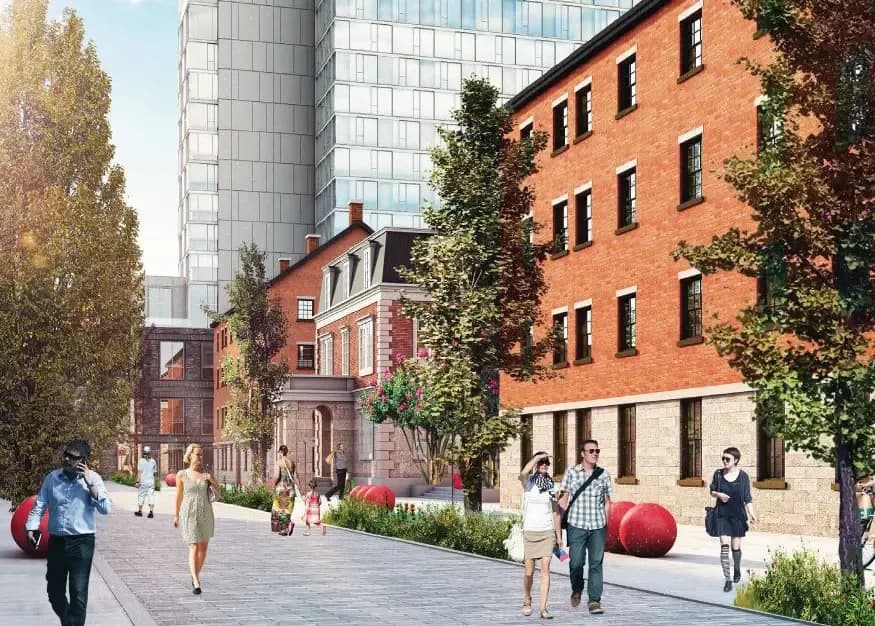
A surge of luxury and mixed-income apartment development is reshaping the cities of Newark, East Orange, and Orange along the Morris & Essex train line in eastern Essex County. More than 16,000 units have recently been completed, are under construction, or are in planning—all aimed at meeting demand from renters priced out of Manhattan and Hudson River waterfront communities. Notable developments include Newark’s Urby and Shaquille O’Neal-backed properties like 50 Rector Park and Iconiq, as well as adaptive reuse projects like Fifty Five Union and Textile Lofts in the city's Ironbound district. Larger institutional investments have also been paired with public improvements such as train redevelopment and expanded tax incentives, fueling this current boom.
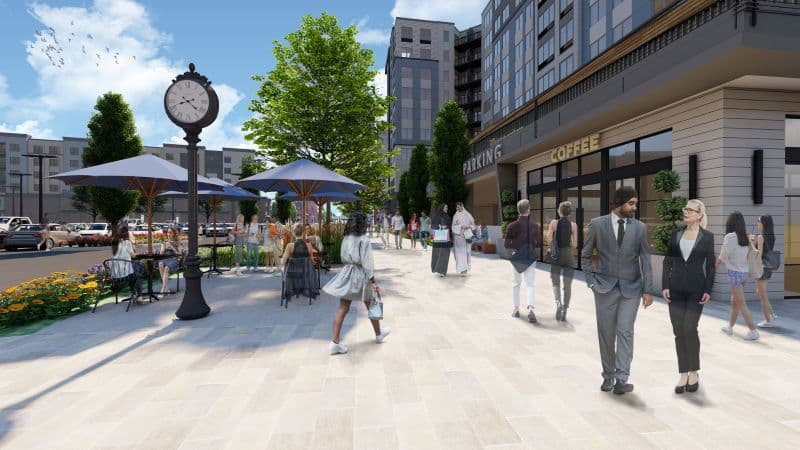
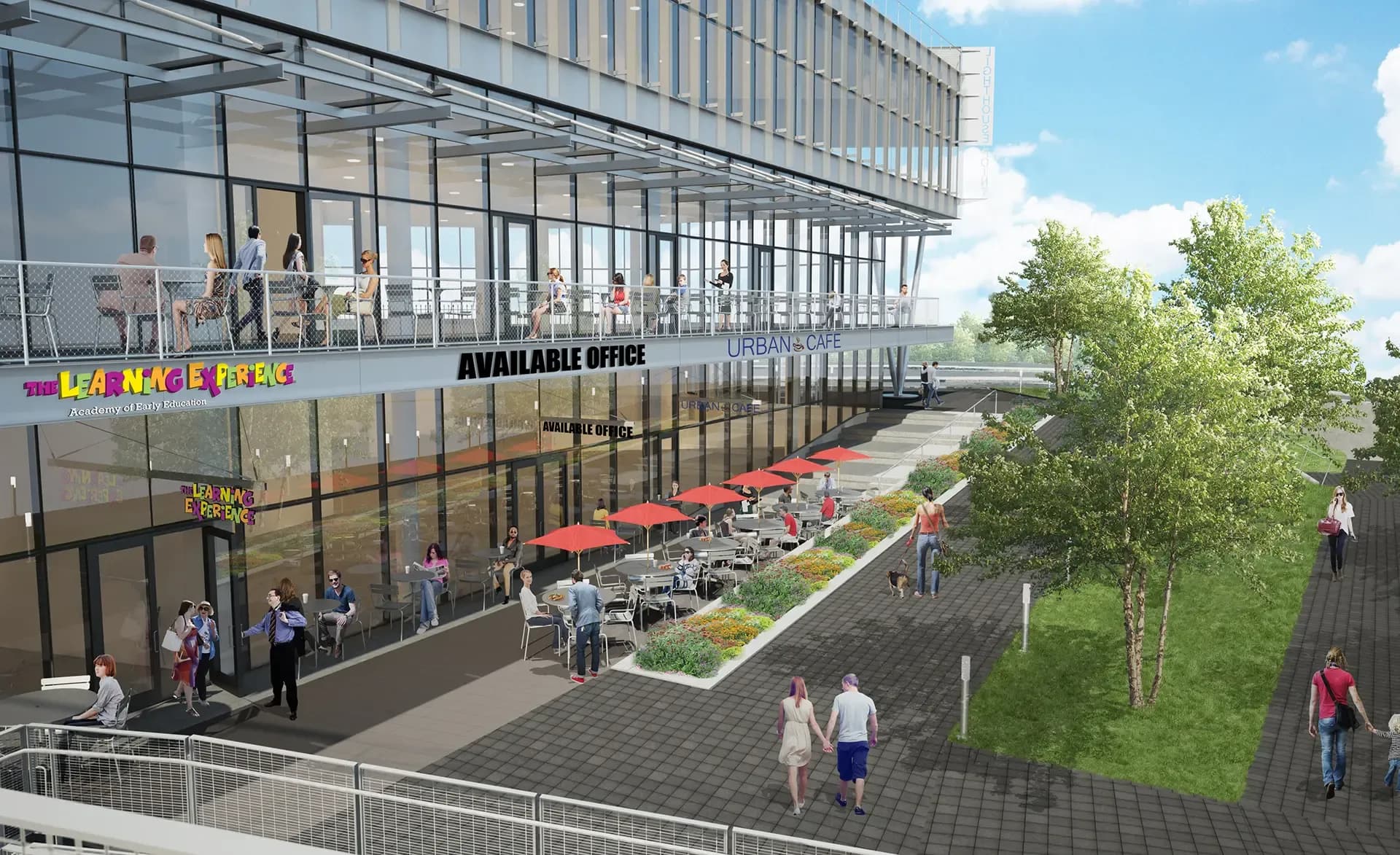
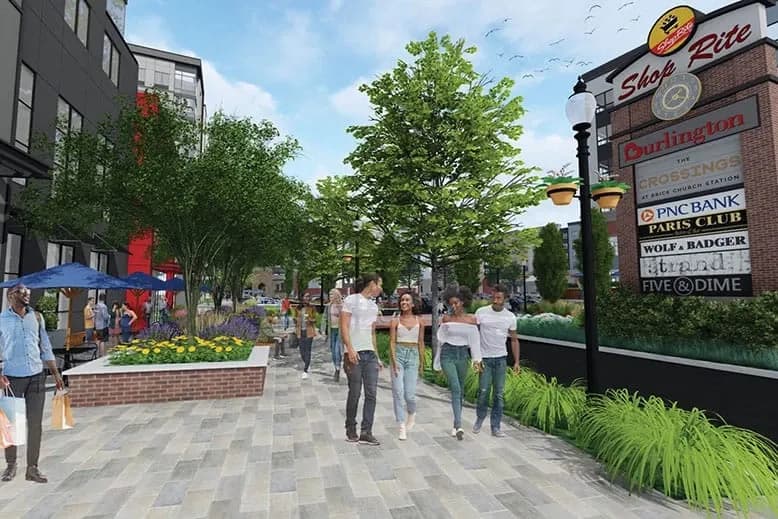
East Orange is home to the largest new development among the three cities: The Crossings at Brick Church Station, a $500 million public-private partnership spearheaded by Triangle Equities. This nine-acre mixed-use project will ultimately deliver approximately 1,000 apartments and more than 100,000 square feet of retail space in phases. With 20% of apartments set aside for lower- and moderate-income tenants and a job training program tied to construction, The Crossings is designed to stimulate economic growth and community renewal. Mayor Ted Green and city leaders describe the project as transformative—bringing disposable income, new retail, and a greater sense of connectivity to the historic Brick Church neighborhood.
In Orange, smaller but impactful projects are taking shape around the city's two train stations, with more than 1,000 units in development and several renovations underway, such as the Essex & Crane apartments and a forthcoming YMCA conversion. Combined, redevelopment efforts across Newark, East Orange, and Orange aim not only to fill housing shortages but also to support long-term revitalization by balancing new investment with affordability, historic preservation, and improved quality of life for existing residents.